The US Geological Survey decided they wanted an aerial map of the refuge. Interference with water flows in Florida due to drainage for development, capturing drinking water for cities and agricultural use since the 19th century had dramatically impacted the natural environment of Florida, which was basically water based. Before the flyover we went up to the refuge to discuss the project with the Director. Entering the refuge you drive over a little wooden bridge. The Director of the refuge had posted one of those small National Park signs painted brown with bright yellow lettering. This one said:
“Beware of Trolls” !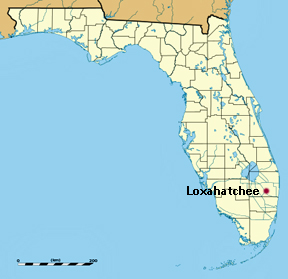
There had been over flights of Florida taking aerial photographs, but nothing formal or organized. Still, we were able to document the increasing tree cover and forests encroaching into the aquatic environments using a technique called photogrammetry. It involved projecting the photographs onto a surface. A talented cartographer, Tony Jurado, drew the boundaries from the projections of the plant communities. An example of the comparative drawings will be attached when I find it!
One day Aaron and Murph asked me if I want to help Bill Myers, the USGS pilot, who was flying in from Phoenix, to photograph the Refuge. He needed someone in the co-pilot’s seat to manage the camera. I said:
“That sounds so interesting!”
and volunteered. WHAT WAS I THINKING? I had ALWAYS had height anxiety, but I HAD flown on airplanes. NOT on THAT kind of airplane though! You’ve seen WWII movies? This was 1967. It had been salvaged from WWII Army Surplus. Remember the fighters with fixed wings, a propeller and a glass cockpit. THAT was what the USGS had! Budget? Not much! Imagine our taxiing at the Miami International airport. Jet planes in front of us. Jet liners behind us. I wish I had a picture. They were all huge and silver and metal; we were TINY and Yellow!
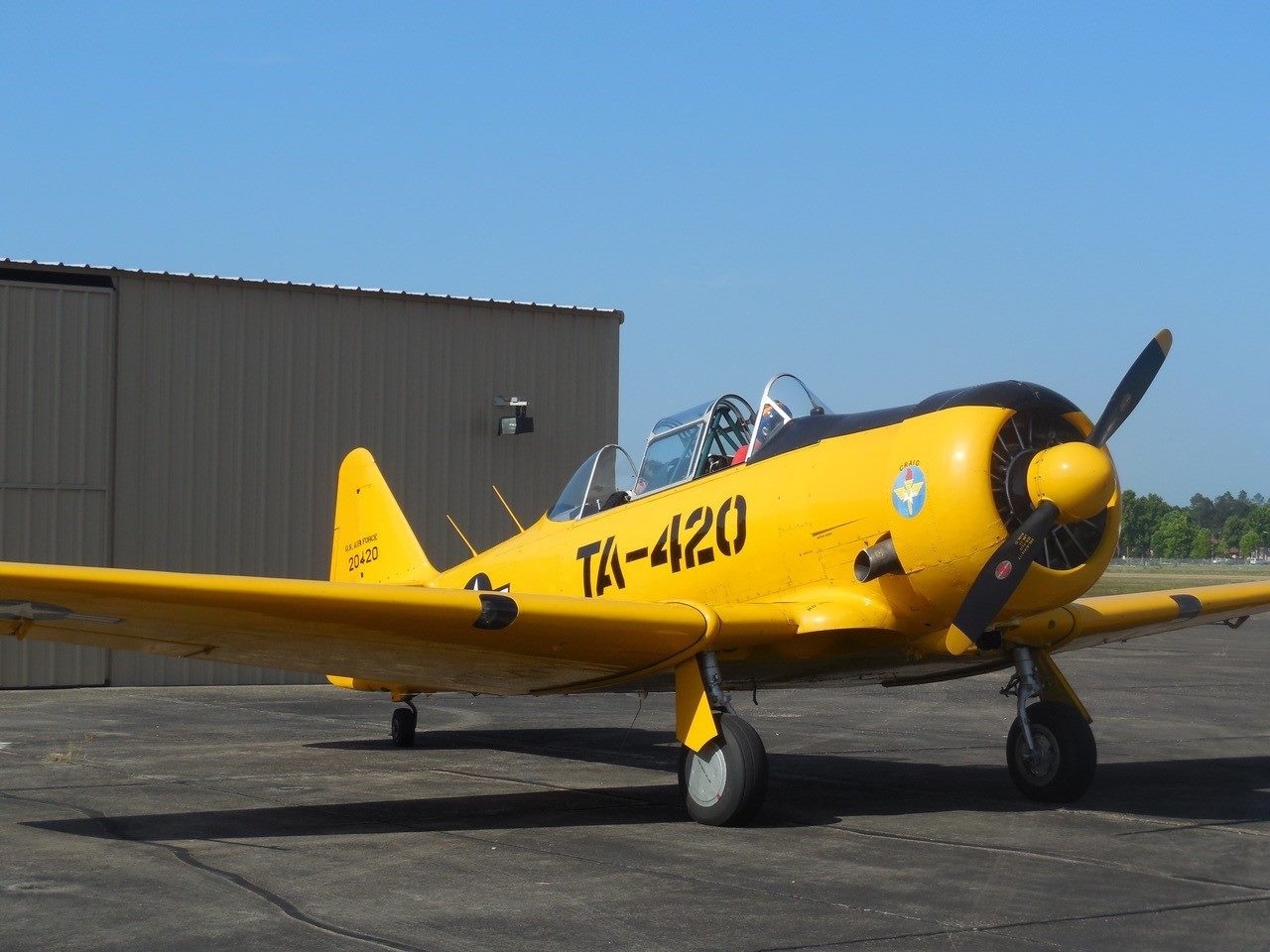
So I climbed into the plane. You basically climb up onto the wing to get into the cockpit. ANOTHER one of those MANY experiences during those two years that had me wishing for an escape route. There’s no floor in the plane. It was cut off so the CAMERA could see the ground. Small 2” ledges were left on each side of the HOLE to put your feet. Two 3-4” thick round steel bars are welded across the hole, wide enough to bolt the camera on top of them. I asked how high we would fly.
“7500 feet.”
A mile and a ½ up! Then we would go back and forth over Loxahatchee for THREE DAYS! DID I want to bolt? Damned right. But I couldn’t face Aaron and Murph who had been so good to me. But there was more! My job? First, he hands me a light meter. He says we’re going to bank the plane on its wing at right angles to the ground and I am to point the light meter at the ground to see if the light is in a certain range. I had no idea what was going to happen until he banked the plane. Basically turning us UPSIDE DOWN! You know how when a big jetliner comes curving in for a landing you feel it in your stomach a little bit like you are in an elevator that’s going up. They call that G Forces. NOTHING like what happens in a small plane tilting on its side, 2-3 G’s! I panicked. Then he rights the plane and asks if I got the light meter reading. Clear, bright, sunny, south Florida day? Photography? I said yes, I lied. The pictures came out ok.
And then? What else was I supposed to do? He hands me a cable up in the air and a stop-watch and a metal cable with a push button. I’m supposed to look DOWN at the camera, and if it does not automatically advance the film every 15 seconds taking a picture I’m supposed to manually start taking the pictures. And oh, yeah, you’re looking down through the “no floor” at the ground 7500 feet below you at the same time for the whole day.
And I went back the second day…
And the third…
But during the third day, once in the air on the way North, my nerves just gave out.
I said “Bill, I don’t feel well.”
He thought I was air sick and told me to breathe through my mouth. He turned the plane around. We had gotten enough photographs. I did not sabotage the mission.
I did not get on another plane for 11 years.